
Choosing STEM Kits That Cultivate Scientific Thinking
How to Choose STEM Kits That Actually Teach Science
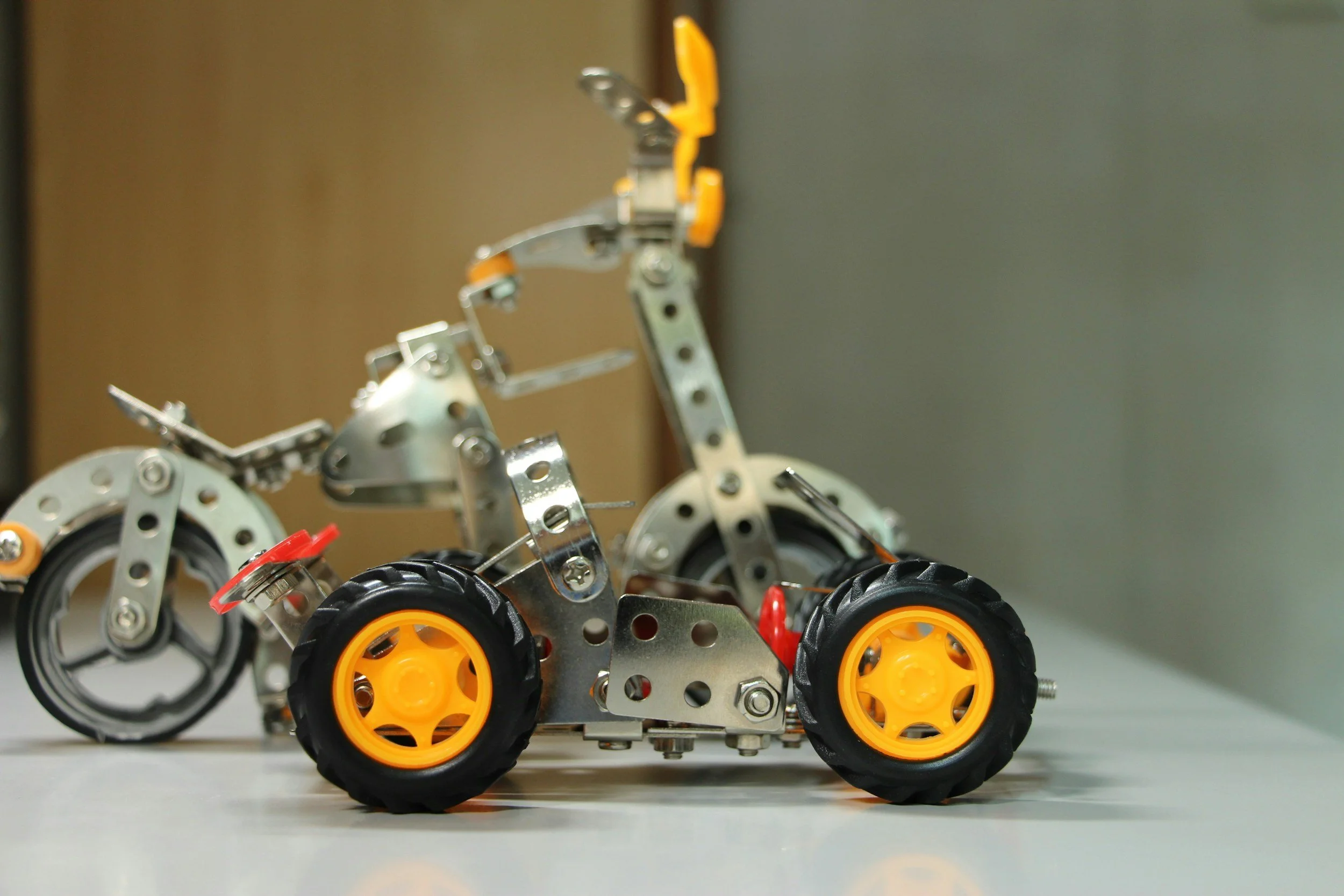
Being able to “look underneath the skin” of a robot is far more interesting and constructive than simply buying one that is fully ready-made.
A few months ago my kids started to do monthly STEM kits, airmailed from the US, that they’d been gifted a subscription of by a relative.
As they proudly demonstrated the things they could make - an electric spirograph machine, a plastic chip launcher - the only thing I could think about was whether they understood the underlying principles of the science or whether these were just expensive ways to make parents feel good.
Yes, the kits were branded by a YouTube kids’ “science influencer” with a popular following. Yes, they were packaged with tasteful, bright branding and featured simple, developmentally-appropriate activities. Yes, they hit that sweet spot where a primary schooler could feel that they achieved something, but still had to follow directions that, at surface-level, appeared slightly challenging.
But I wasn’t satisfied.
Science at its core is the practice of planning, mistake-making, trying again and finding your own path. How could something so sleek and mistake-free, where each step was defined by a manual, be developing the core scientific skills of making, breaking, fiddling, experimenting, and discovering?
The STEM/STEAM kits I reviewed last week from dozens of providers at LTE 2026 in Hong Kong (from China, Hong Kong, Thailand, Korea, and Singapore) further underlined my suspicion: many things marketed as “STEM kits” are closer to passive toys rather than kits that actually build scientific thinking skills.
For the record, many STEM toys still have value. They can bring joy to kids and parents and spark curiosity. My kids love their monthly kits from their YouTube influencer and there’s nothing wrong with that. I’m going to continue celebrating their STEM toys with them (since the subscription is already here to stay).
But, in addition to celebrating the outcome, I’m going to be intentional about encouraging them to ask them better questions, focus on the process over the outcome, guide them to observe their own thinking & reactions, and generally extend their learning using encyclopedias, books, and other secondary sources.
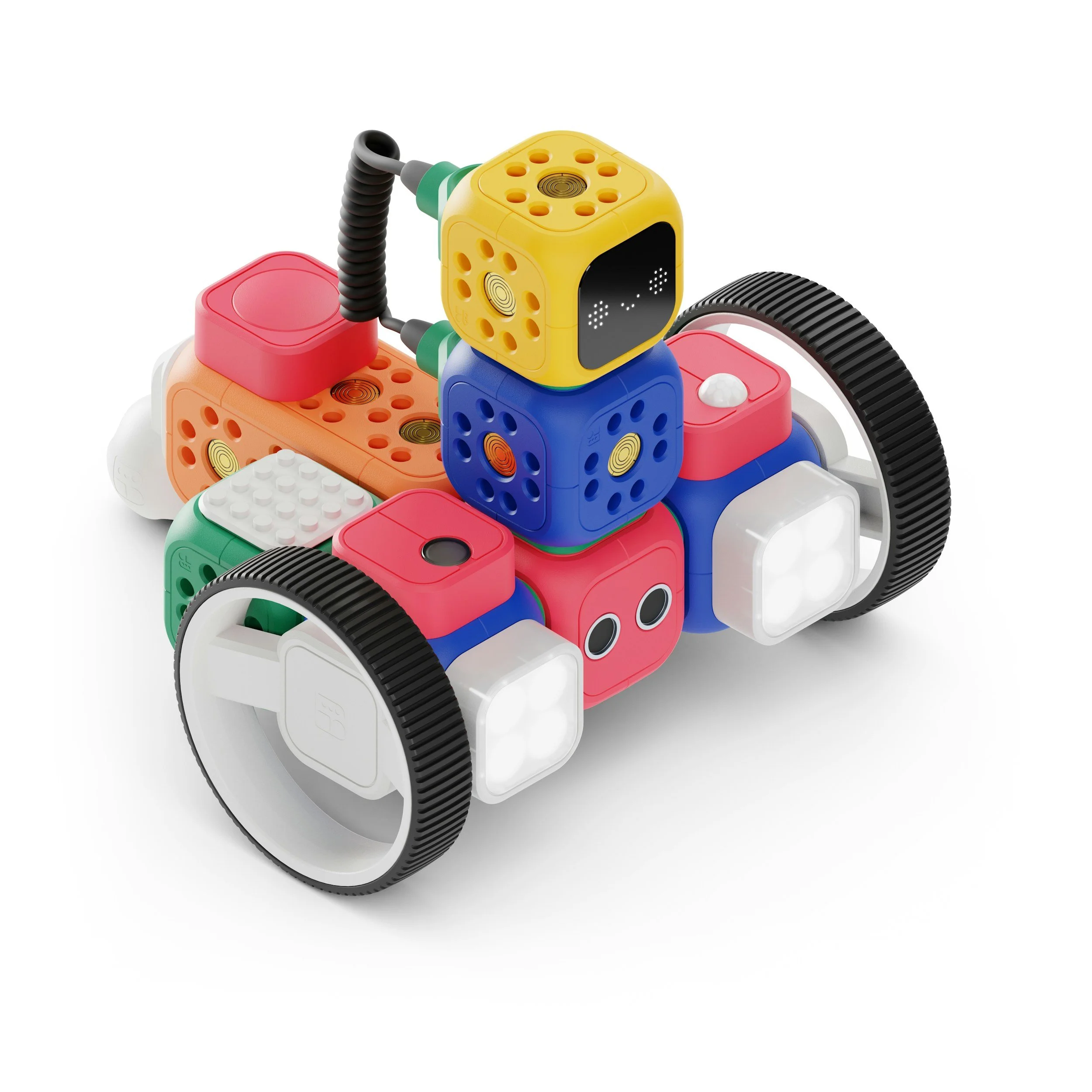
Choosing an Effective STEM Kit for Your Child*
In a competitive market that is awash in expensive, highly-branded kits claiming to help children “develop STEM/STEAM skills,” I felt I needed to make this chart (with some editorial help from Gemini) for parents who want to truly support their children and cut through the marketing noise.
If you’re looking for an easy way to differentiate which STEM toys / kits are most likely going to cultivate scientific thinking skills, this chart is for you. This applies to off-the-shelf STEM kits you’ll find at your local toy store, as well as STEM or makerspace box subscriptions you get mailed to you.
Stay tuned for the next article for additional tips about how to talk to your kids while they do STEM kits at home so that they get the optimal benefits.
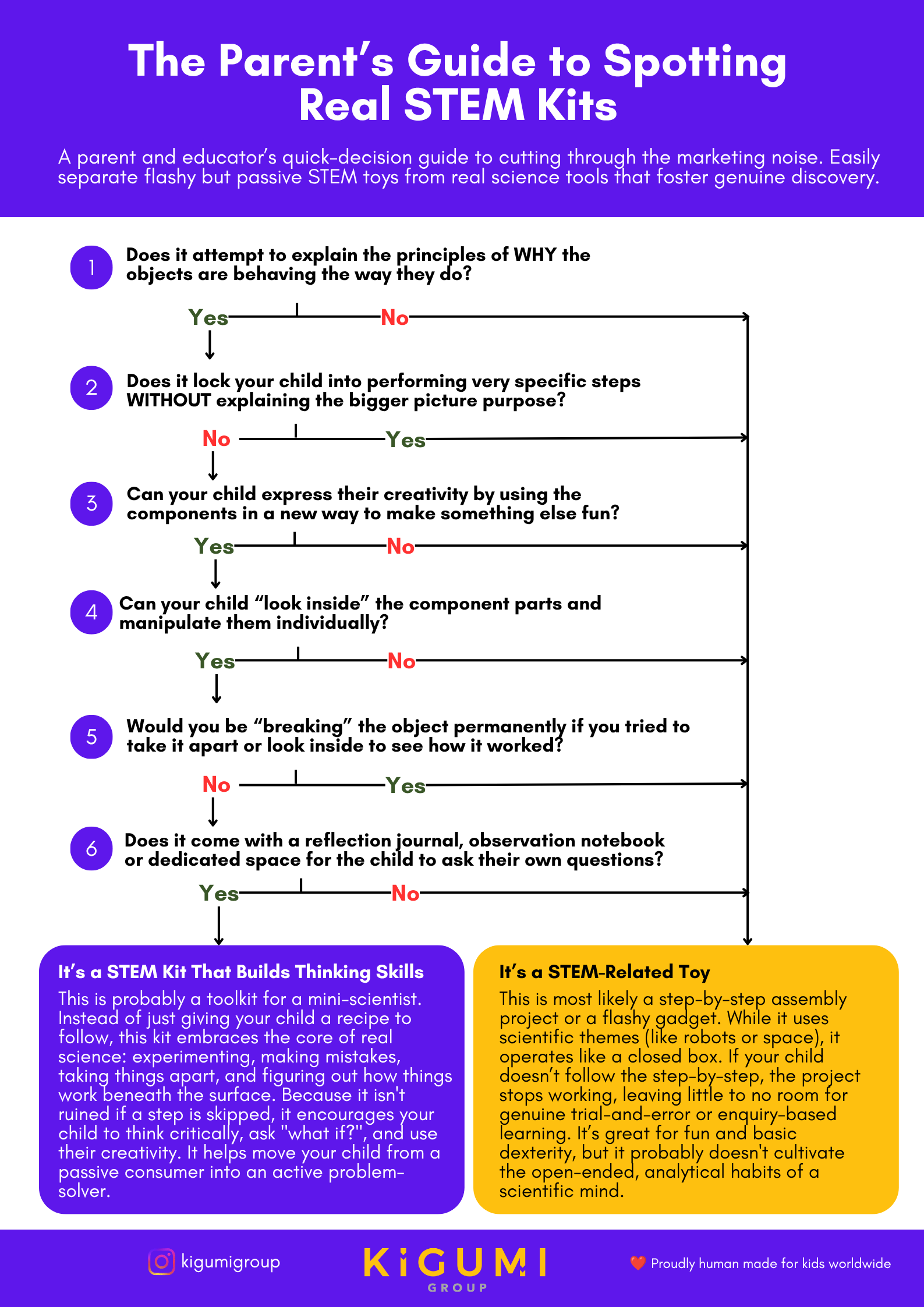
*This chart isn’t exhaustive and applicable to every single kit, of course. It’s honestly probably better rendered as a points system, where each “Yes” equals “plus one point”, and each “No” equals “minus one point.” The higher the final score, the more likely that the kit will actually jog some neurons in your child.