
Why AI Plagiarism Detectors Are Ruining How Our Kids Learn (Part 2)
This is Part 2 of a two part series about how to empower students to learn how to use AI responsibly instead of banning it. Read Part 1 here.
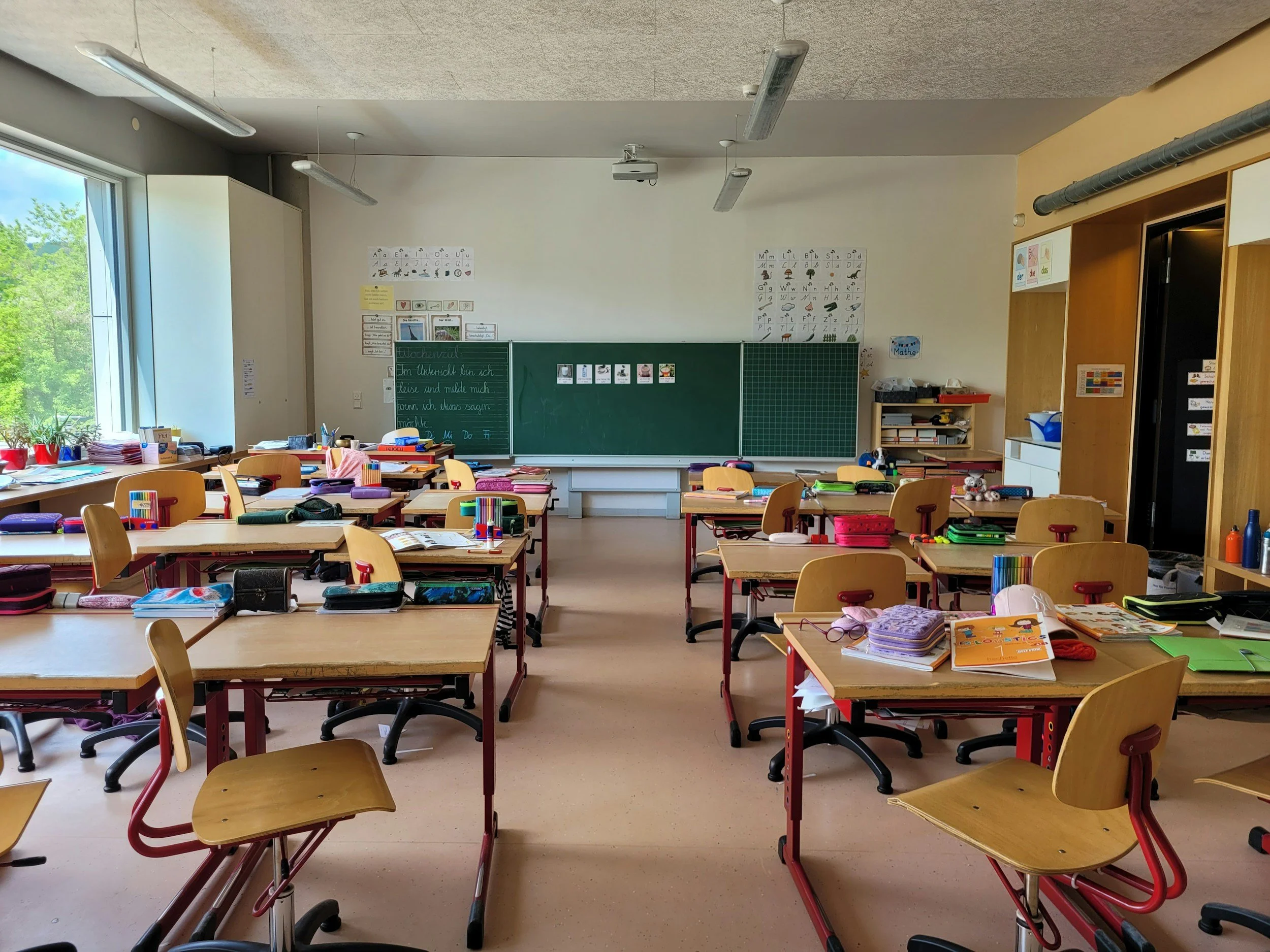
The Student Perspective: How AI Surveillance Alters the Way Kids Write
What are Kids Telling Us About the Impact of AI Detectors on Their Learning?
The teen members of our new Youth Advisory Panel are hard at work surveying and interviewing their peers globally to gain quantitative and qualitative insights into this area so that adults can do better about meeting Gen Z and A students where they’re at when it comes to AI.
The goal of the project is for schools and parents to learn how to stop preaching or panicking and instead move towards a constructive, collaborative and empathetic approach in engaging their students about AI usage and standards.
Our interviews and surveys of high school and university students thus far demonstrate that AI detectors do not improve critical thinking; instead, they shift student behavior toward avoidance tactics and draw attention away from authentic learning.
Perhaps most disturbingly (from an educator’s perspective), many students we interviewed described how they have implicitly changed how they write based on the AI detector expectations, as opposed to changing how they write in order to improve quality. Instead of writing to explore, create or discover their own voice or thinking patterns, students are increasingly incentivised to adapt in order to avoid being flagged by the system.**

What’s Wrong With This Picture? (Answer: When Technology Drives Student Behavior)
Based on what we’re hearing from these students, technology is driving student behavior and learning, not the other way around - students are being trained by the AI (detector) systems and adapting to suit the machine’s needs.
This goes against basic principles of human-centric AI and digital wellbeing: specifically, the fundamental principle that humans should understand and define why they are using technology in order to avoid being used by the technology.
Ultimately, many of the students we spoke to felt that over-relying on AI detectors without investing in longer-term AI literacy creates a “police vs. thief” dynamic in their classrooms, where the student focus is on bypassing systems rather than developing their own voice, generating creative ideas or thinking critically about their own effort. Having AI detectors made the students’ writing reactive (to AI) rather than proactive (to gain new skills or learn meaningfully).
How to Teach Responsible AI Use: Insights from Our Youth Advisory Panel
Naturally, the direction we’re going with all of this is to figure out what students recommend as potential solutions and constructive remedies to this situation. Interestingly (to me), we’re hearing a lot of initial suggestions thus far from students saying they would actively welcome a return to old school hand-written essays or assessment formats.
Despite the obvious drawbacks to evaluating dozens (or hundreds) of hand written assignments, here are some of the suggestions we’re receiving from high school and university-age students for schools to immediately improve their approach to AI:
Teach proper AI use (AI literacy) and be clear and consistent about what kinds of AI use are acceptable versus not so that students can judge on their own about how to use it, rather than waiting for a software to flag student work.
Choose a comprehensive AI literacy curricula for students that develops metacognitive and decision-making skills. This should focus on critical thinking and self-regulation over enforcement of rules.
Change assignment and assessment formats so that they can’t be gamed or short cut. Examples the students gave included shorter, in-class, or hand written / no laptop work. Not only does this limit access to AI, but several students mentioned that being prompted to hand-write their assignments or do them collaboratively in class were more enjoyable and effective learning experiences in some contexts, and made them think more creatively or benefit in the longer-term.
Be fair and recognise that AI use is nuanced and highly contextual, particularly amongst international students. Having a blanket attitude that all AI use is ‘destroying critical thinking’ doesn’t recognise the context of how various students use it. For instance, many students who are English as second language learners may do all their own work, but only use AI at the end to check their English grammar. (And it’s up to you to be clear and up front in your rubric about how you perceive this instead of lumping them all together.)
Don’t conflate AI usage with plaigarism. Distinguish between traditional plaigarism (i.e. students passing off the work of others without citing) and certain types of AI usage (i.e. student using AI to refine or flesh out their original ideas). Sutdents recognise that traditional plaigarism detectors (like TurnItIn) are helpful to their collective learning environment; but inconsistent or unreliable AI detectors are not.
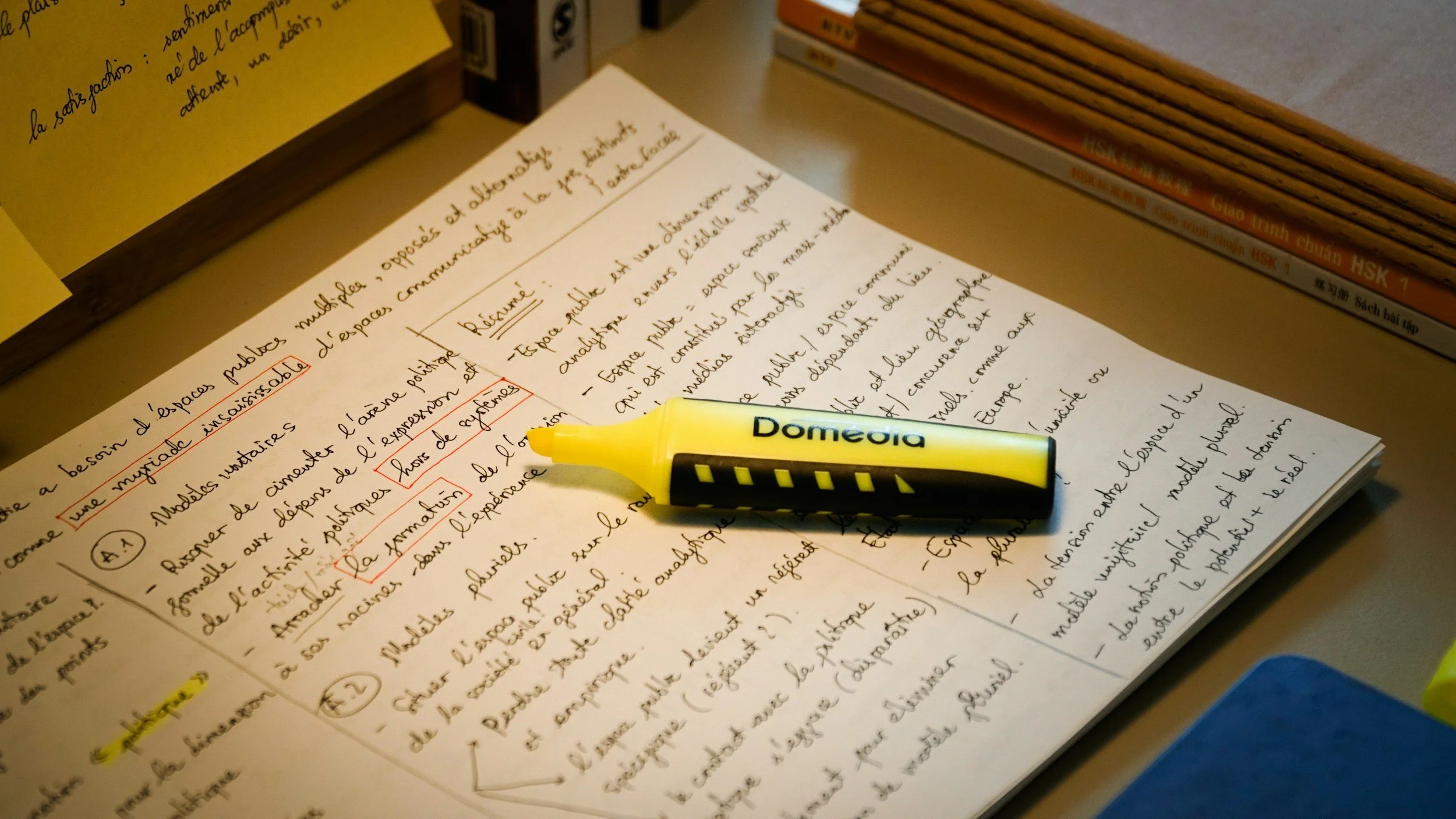
Check out our Free AI Process Journal
Ultimately, our Youth Advisory Panel’s initial findings are demonstrating that many students in secondary and tertiary environments are likely to respond more positively to (and learn more effectively within) systems that treat them as decision-makers to be trained, rather than rule-breakers to be monitored.
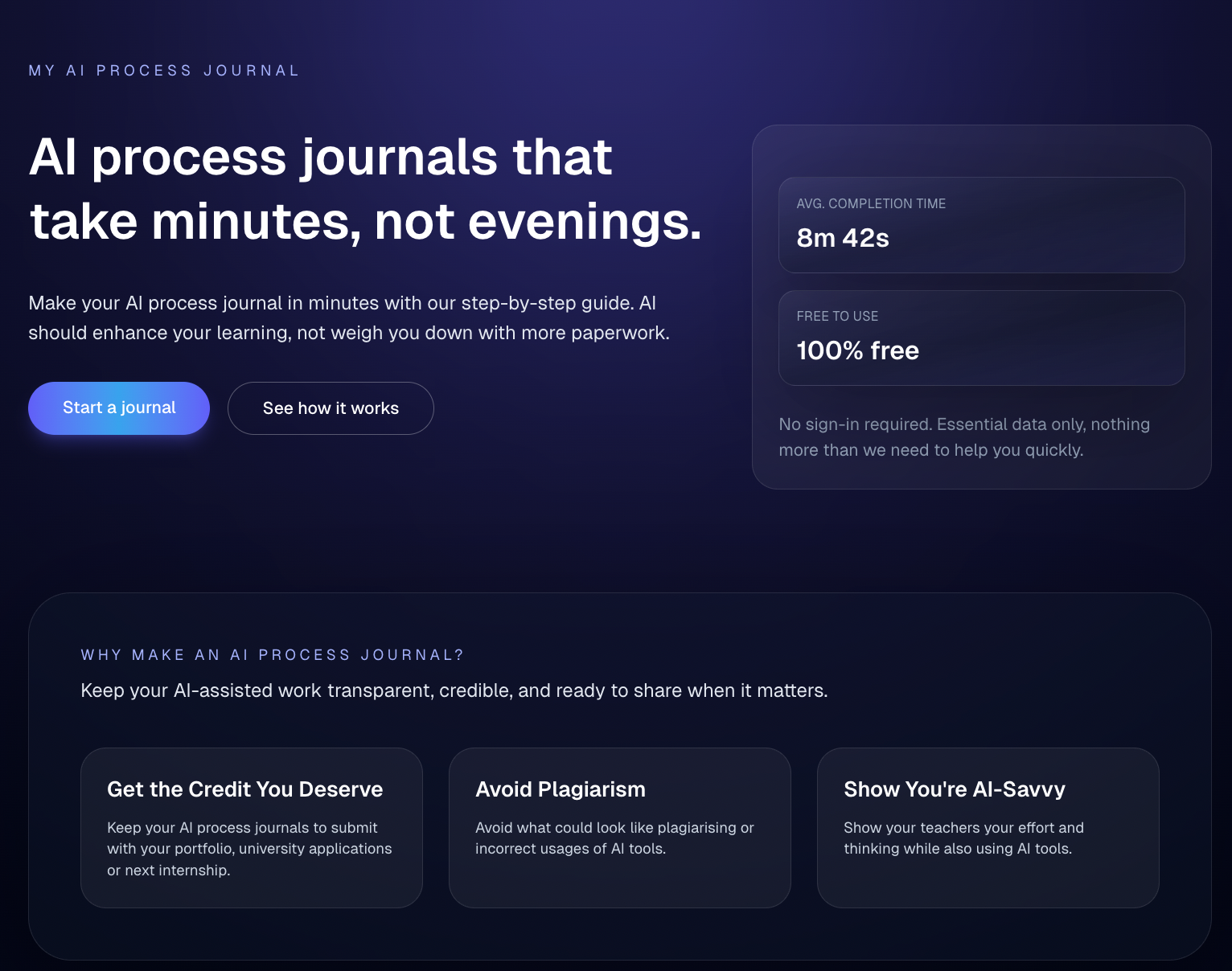
That’s why we created our free AI Process Journal for secondary schools who want to teach their students how to think critically about their AI use. By also helping teachers quickly sort and filter which students are using AI in an unhelpful way, to what degree and how frequently, this tool also helps save teacher time and energy by showing them where to focus their energies in teaching AI literacy.
“The best part is that it’s super easy to use…so you can just focus on your actual work…if you need to show your AI usage for a class and want to save a ton of time, this works great.”
Notes
*By over-relying on AI detectors I mean using AI detectors as if they’re going to solve the whole problem of AI usage in your student body. You can still use an AI detector as one small tool that is integrated into a more thoughtful strategy of training and educating your students how to use AI (in which contexts, to what degree and for what reason). But failing to invest in educating your students about the nuances of AI usage and only implementing an AI detector as a blanket fix is over-reliance.
**To be frank, not all of the students are complaining about this gamification. Those who can excel in bypassing AI detector systems will likely keep on doing this, from a grade-attainment-perspective. I’m not claiming that students should all be intrinsically motivated or that we should strive for classrooms where educators blindly trust their students never to plagiarize, but it’s important to not jump to the conclusion that all students are gaming the system.