Why AI Plagiarism Detectors Are Ruining How Our Kids Learn (Part 1)

Train in Chicago’s loop
This is Part 1 of a two part series on how students want to be empowered to learn responsible AI usage.
When I was a high school freshman, I switched from my private school to a high-performing, magnet school near Chicago’s west loop. I was following my older brother, who had made the same switch a few years before me and, with his more outgoing personality, took like a duck to water in the new environment.
It was a thrilling yet rough year, full of all the risk-taking and social maturation experiences you’d expect from a relatively sheltered private school kid trying to find her way in a much larger, much more diverse public school that mixed together kids from all parts of the city. I could talk a lot about how much I learned that year and how it positively impacted me in the long term. I’d do it again in a heartbeat.
But what I want to talk about is the metal detectors.
All students entered the school via the metal detectors. This was, practically speaking, to help make sure none of us were carrying knives, blades, or guns. Totally support that. There were minor flare ups, given that the school was home to students from all sides of the city and friction could escalate.
But what was more important was the message that the metal detectors conveyed to us, the students.
When they installed the metal detectors, the school didn’t do a town hall to talk to us about the importance of diversity, or how to build the skills to live and learn alongside those who were different from us. They didn’t try to communicate with us about the root causes of the problem or try to implement a programme to equip us with life skills that could have come in handy in our future lives. They didn’t address the problem by investing in building our competencies, in addition to using the metal detectors.
They jumped straight to discipline and control. They treated us as de facto culprits: guilty until proven innocent.*
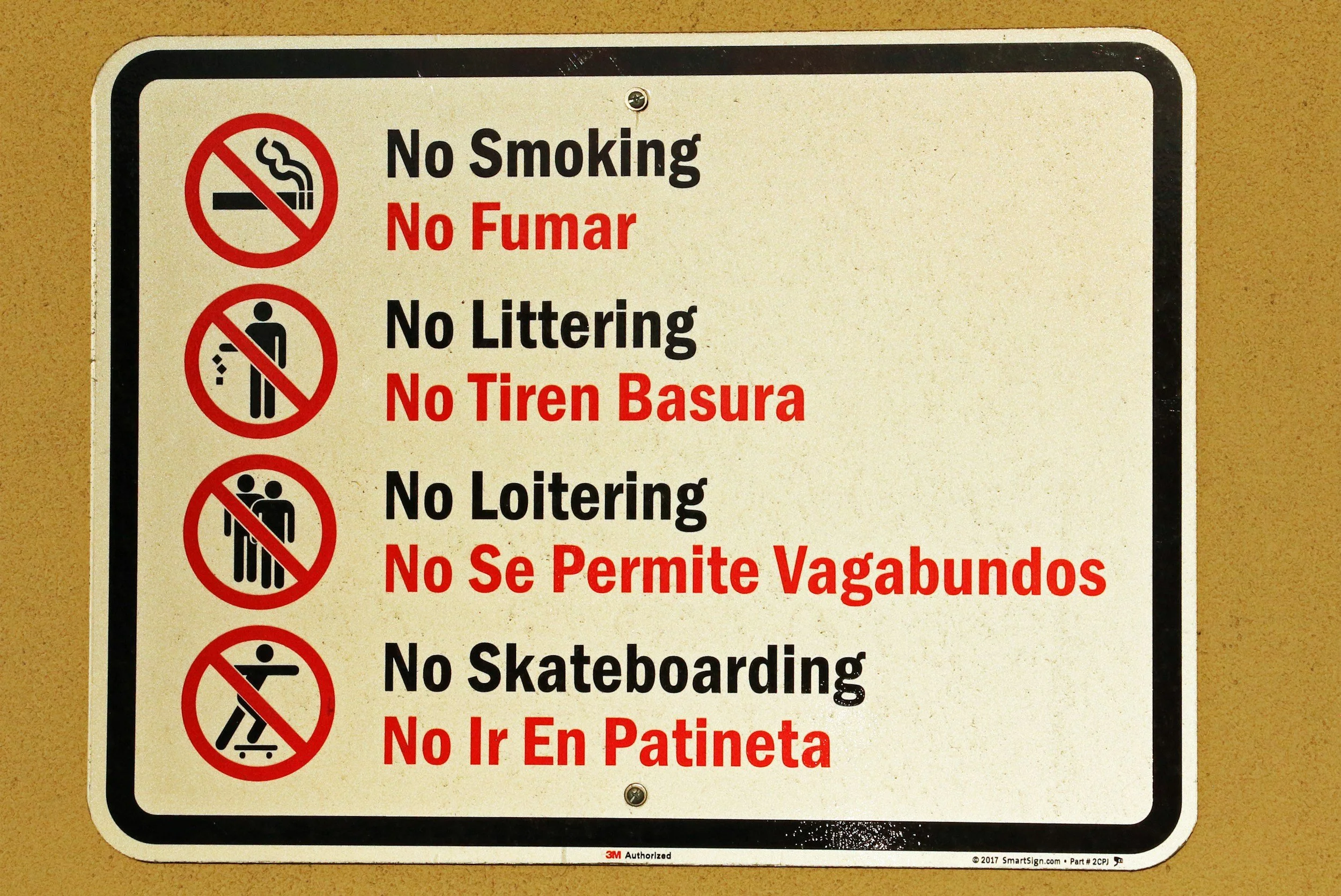
A rules-based approach to teaching AI is short-sighted; it focuses on discipline and rule-breaking instead of investing in upskilling and competency building.
The AI Education Trap: Why Preaching and Panicking Doesn’t Work
I hadn’t thought of this until recent months, as our Youth Advisory Panel team began interviewing high school and university students** about how their schools currently “teach them” about AI. As it turns out, many schools still take a blanket surveillance approach to AI usage, using AI plagiarism detectors and eschewing more constructive forms of educating the students about the nuances of responsible and proportionate usage.
Most schools are under immense pressure to “get AI right”. This pressure often leads to two actions: first, preaching to students about how they shouldn’t ever use AI; and next, panicking and quickly investing in software subscriptions and surveillance tools that monitor and try and catch digital / AI usage or rule-breaking (because your competitor schools are doing that same and you need to keep up). I call this the preach-and panic-approach to AI literacy (and digital wellbeing more generally), and we all at some point have fallen prey to it, either as educators or parents.
While a zero-tolerance approach to AI might at first seem helpful, in the mid- to long-term it does what abstinence approaches always do to adolescent-adult relationships: it breaks trust and encourages more risky behavior, without building judgment or discernment.
Thinking AI detectors build AI literacy is like being a parent who thinks that making your teenager do a breathaliser test when they get home each day is an effective form of drug education. Making your kid do a drug test doesn’t build trust and critical thinking ability (particularly in a teenager). It does the exact opposite - breaks what could have been a caring relationship between a trusted adult and a young person trying to figure things out.
If that isn’t enough to persuade you, below are several more critical reasons to not over-rely*** on AI detectors based on what we’ve heard from students.
The Unintended Consequences of AI Detection in Classrooms
Encourages gaming behavior among students, who mainly learn the best techniques for how to bypass detectors (e.g., using “AI humanizer” tools to add errors).
High frequency of false positives (assignments that are wrongly red flagged by the AI detector) create distrust in the system, so that even students who don’t misuse AI may alter their writing style to avoid being incorrectly flagged.
Distorts teaching priorities for schools by placing the schools focus on “Is this AI?” instead of improving education quality and AI literacy offerings for students and teachers.
Distracts from learning goals for students by shifting the students’ focus from “How & why do I learn?” to “How do I not get caught?”
Promotes superficial engagement amongst students, who may still use AI heavily but in less transparent or less reflective ways.
Fails to distinguish meaningful vs. appropriate AI use: Even legitimate uses (grammar checking, clarity improvement) can still be flagged, creating confusion
Stay tuned for part 2 in the series to learn more about this from the perspective of our Youth Advisory Panel.
Notes
*None of this is unique, or even noteworthy, to anyone who is familiar with public, charter or urban education in the United States. Many worthwhile books have been written about the surveillance approach to US public education (i.e. Jonathan Kozol).
**Students included in our surveys so far are from high schools and universities across Asia and the US, including private and public schools.