
The Anxious Generation: Why "No Tech" Isn't Always the Answer
Why your kids need "tech injections" to build safe & intentional relationships with tech

There’s a growing contingent of parents globally, in schools we work with in Hong Kong, Singapore and elsewhere, who are increasingly conservative about the use of technology for their children’s learning. These aren’t just parents who are curious about how tech or AI is going to enhance their children’s learning. They are parents who - understandably - are suspicious and even fearful of the impact of screens and tech on their children’s safety and development.
These communities and mini-communities aren’t identical - they are diverse and subscribe to slightly varied amalgamations of techno-fear: some are “wait until 8th” groups (where you commit to waiting until the 8th grade to give your child their first phone); others have convened as book clubs around “The Anxious Generation” by sociologist Jonathan Haidt or other books; and still others are simply anti-social media groups for parents (to exchange the latest research on social media and adolescence). But what they all share is the common DNA of being anti-[fill in the tech device or platform], and generally anxiety-inducing.
I broadly call this growing group of people “tech-allergic.”
You may yourself be part of a community parenting group, WhatsApp chat or newsletter that is tech-allergic, and I understand the appeal (having personally been part of several of these over the years and also running our digital parenting group at Kigumi).
Although there are things I love about these grassroots movement of committed and motivated parents, I also disagree with a blanket “no tech” approach to digital parenting. Here’s why.

Why you should inject your kids with tech
When I think about tech for my own kids, I think about balance, intentional use, and immunity. Why immunity? Because raising digital natives follows the same logic as deciding to get your kids vaccinated. Teaching your kids about tech in developmentally appropriate ways is the same as building their immunity for a world of exposure.
Let’s take a look at how as parents raising digital natives we can learn from the last 2 centuries of modern medicine and vaccine theory:
Learning #1: In small doses and if done in controlled, intentional settings, something “bad” (like a virus) builds your defense mechanisms.
It took so long for humans to accept this fact. Like, so, so long (I encourage you to lose yourself in a great book about immunology on your next plane ride as it’s a fascinating subject I can’t possibly do justice to). It seems completely illogical that we should allow - and pay for! - someone to inject a known illness into our children’s bodies in order to keep them safe from that very illness.
But, as modern medicine shows, this is precisely what we need to do in order for our children to recognize and respond appropriately to biological threats. When we recognise the warning signs early (and at the right developmental stage), we develop the right defense mechanisms.
The same goes for non-biological threats: take behavioral ones. We must teach our children - again, in developmentally appropriate ways - to recognize what a multi-player game is and how it works; let them know that social media exists in a variety of ways that are positive and negative; talk to them about the eventuality of seeing porn, violence, or scary stuff online (again, at the right time, which varies for each child and family) so that they are not caught off-guard when each of these veils is striped away (usually when we’re not around to help them).

Learning #2: Avoiding vaccination altogether is more risky because it leaves you vulnerable.
The entire premise of vaccination is that we know that our children will be exposed to others who carry illnesses or unsavory viruses. Digital native children, unless you plan to raise them in a bubble or commune, are the same. (I don’t say this flippantly, as I seriously considered living in a commune or intentional community when my kids were young.) We may have control over our children right now, when they’re little. We might currently feel secure in our ability to control their digital wellbeing at home or at school. But we cannot control the friends they will make as they grow nor the peers they will learn with, particularly from secondary school onward. They will have friends who have minimal or no screentime rules. They will run into children raised in households where parents are uninvolved in their children’s digital lives and who exhibit much riskier behavior that we like. They will need to learn to live, learn and eventually work with people who have potentially far less balanced relationships with technology than we wish. As parents, we must recognize this reality and prepare them to rise up to meet this inevitable future, or risk raising them in a bubble that weakens their overall survival ability.
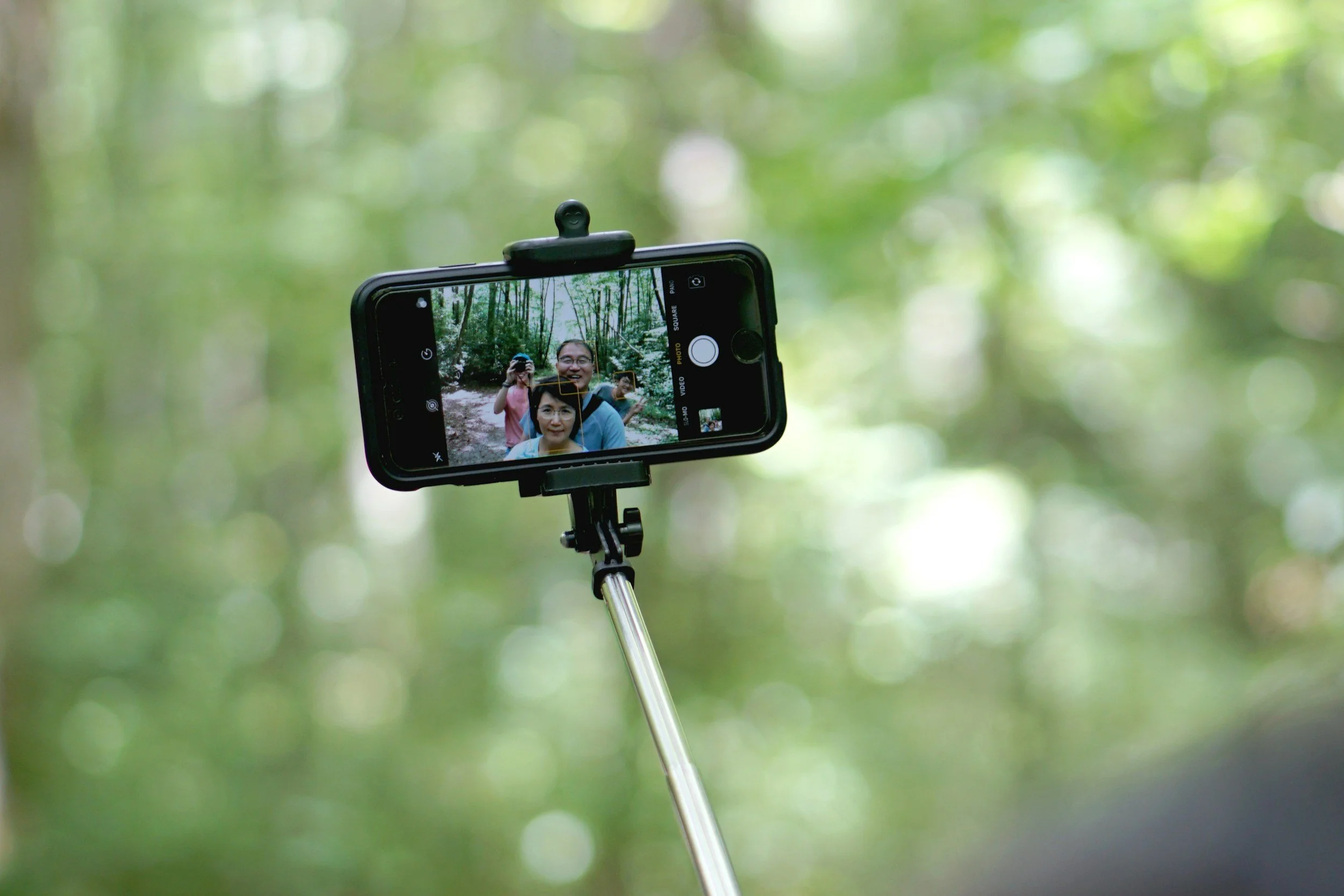
Moving from tech-allergic to tech-intentional
Vaccination, at its core, tells us how to live effectively and safely with others. It tells us how to live in an imperfect and sometimes scary world with resilience and courage. This is the kind of philosophy I want for my children about technology. This is the injection I want for them as they grow so that they are not blindsided by anti-tech belief systems that perpetuate a myth that all tech should be feared and avoided. Together, with intention and thought, we can move away from tech-allergic mindsets towards a shared commitment to balance, to intentional usage of tech, and to proactive inoculation, and begin to shape the world that we truly want for our children with technology.