Is It Okay for My Kids to Use AI To Write Their Thank You Cards?

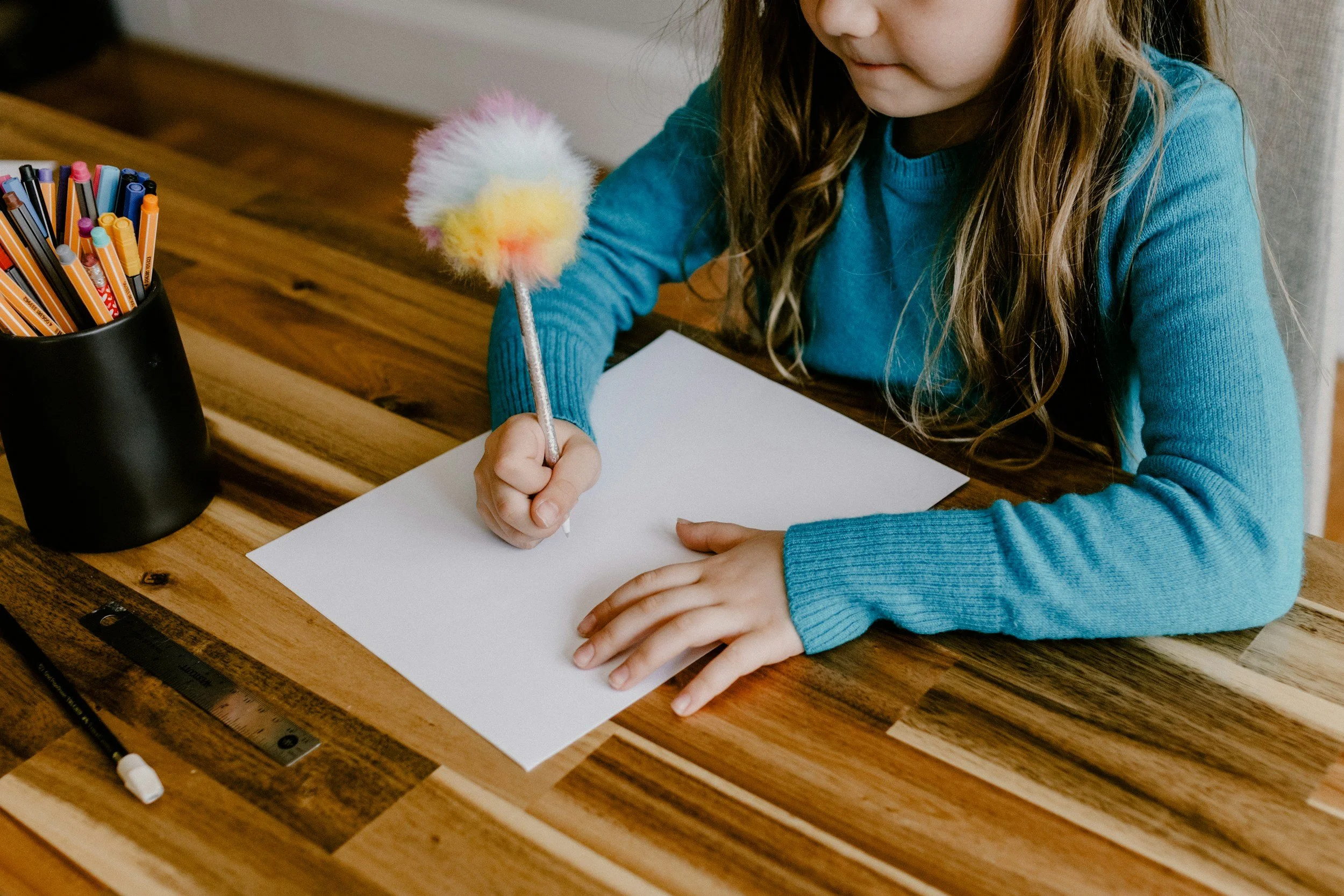
This year I’ve been hearing more and more parents and friends asking whether it’s acceptable for the kids in their families to use AI-assistance to write thank you cards. First, a friend in Singapore described his conversation with his teen nieces in Spain about the topic; soon after, another friend, in Thailand, brought up the topic in reference to her pre-teen sons.
So I decided to write a short ethical analysis of this from a philosophical point of view.
In ethical philosophy there are many schools of thought, but I’ve chosen two main ways of thinking about this topic that you and your kids can argue over. I say “argue” in a good way, because I suggest that you approach this conversation as something that your pre-teen or teen actively contributes to in order to get the best outcome and get their buy-in (as opposed to imposing top down, “no-AI” rules). See what works for you.
Step 1
First discuss amongst yourselves “What is the purpose of a thank you note?” and “Why do we write thank you notes?” Possible answers might be:
“Because we want to show gratitude to those who took time and / or effort to choose and give us gifts”
“Because it’s important to be grateful for the things we have, and writing thank you cards helps remind us to be grateful”
“Because thank you notes are personalised activities that help us reflect on and convey how we feel about the person who gave us the gift”
“Because if we don’t write a thank you note, we may lose the relationship with the person who have us the gift (and that’d be the end of gifts from them)”

Step 2
Discuss whether AI can help achieve the “purpose” of a thank you note that you arrived at in Step 1. If you haven’t arrived at an agreement by the end of Step 2 on whether or not to use AI for this task, proceed to Step 3.
Step 3
If you’ve reached this step, take a moment to pat yourself on the back for raising an opinionated young person who won’t back down. (Yay!) This probably also means you’re talking to someone who is pro-AI, or, at least, is pro-AI for the sake of arguing with you. So they might be happy to know that I incorporated Gemini 3 as a teaching assistant into the rest of this article to explain the possible routes of action.
Have your pre/teen read the following and then discuss with you.

Deontological Perspective
Deontological means “rules-based” and means you chose what to do based on principles or pre-existing morals - NOT based on what the outcome of the action might be. So, if you did decide in Step 1 what the purpose of the thank you note is, you MUST make the decision that supports the purpose of the thank you note. For example:
If you decided in Step 1 that the purpose of the note is to show personal effort and sincere appreciation…
…Then you cannot use a machine to generate expressions of personal gratitude (even if it saves time/effort), since the machine doesn’t convey personal effort and sincere appreciation.
Utilitarian Perspective
Utilitarianism means “maximising the greatest good for the greatest number of people” (or minimising the amount of harm for the greatest number of people).
As noted by Gemini 3’s analysis during my discussion of this topic, it is likely okay to use AI to write a thank you card if doing so will decrease further argument between parent and child and if the person receiving the thank you card doesn’t mind it. In this case, since total "pleasure" increased for all the people involved, writing thank you cards with AI is morally acceptable.
Note
The above analysis has been edited down for length and doesn’t cover all the details of possible arguments.
Remember, don’t take it from just me - explore the discussion for yourself with your kid and an AI chatbot using this sample prompt (or customise it further):
“Please provide a deontological analysis of whether it's okay for a kid to use AI to write their thank you cards. Please follow strict traditional definitions of deontological ethics and provide references. Finally, please provide a comparative perspective contrasting a deontological approach to a utilitarian one. Provide examples in everyday language, including relevant metaphors using [your child’s interests, like art, sports or cooking] to help my [12-year-old] understand the multiple perspectives. Finally, please provide a list of conversation starting questions to help guide a constructive conversation with my child on this topic with the objective of supporting their ability to understand the different perspectives and exploring the topic together as parent and child.”