
The Importance of Language in an AI-Age
In you like this article, we wrote a similar piece recently for Harrow Group’s AISL Mall about how language and identity impacts a school’s AI literacy programme.
While he was reviewing our latest testimonies from teachers about why they valued KiguLab, our academic advisor John, a linguist and computer scientist at the University of Chicago, stopped to make a comment:
“I was struck by the remark by the teacher who said that it was very important to have the vocabulary to talk about things that happen online and with AI. That is so true; when you come to a new experience, you may feel something and not know how to identify it so that you can talk about it. If you're a teacher in front of a class, that's far worse! I can see that this function can help you explore topics that you look at.”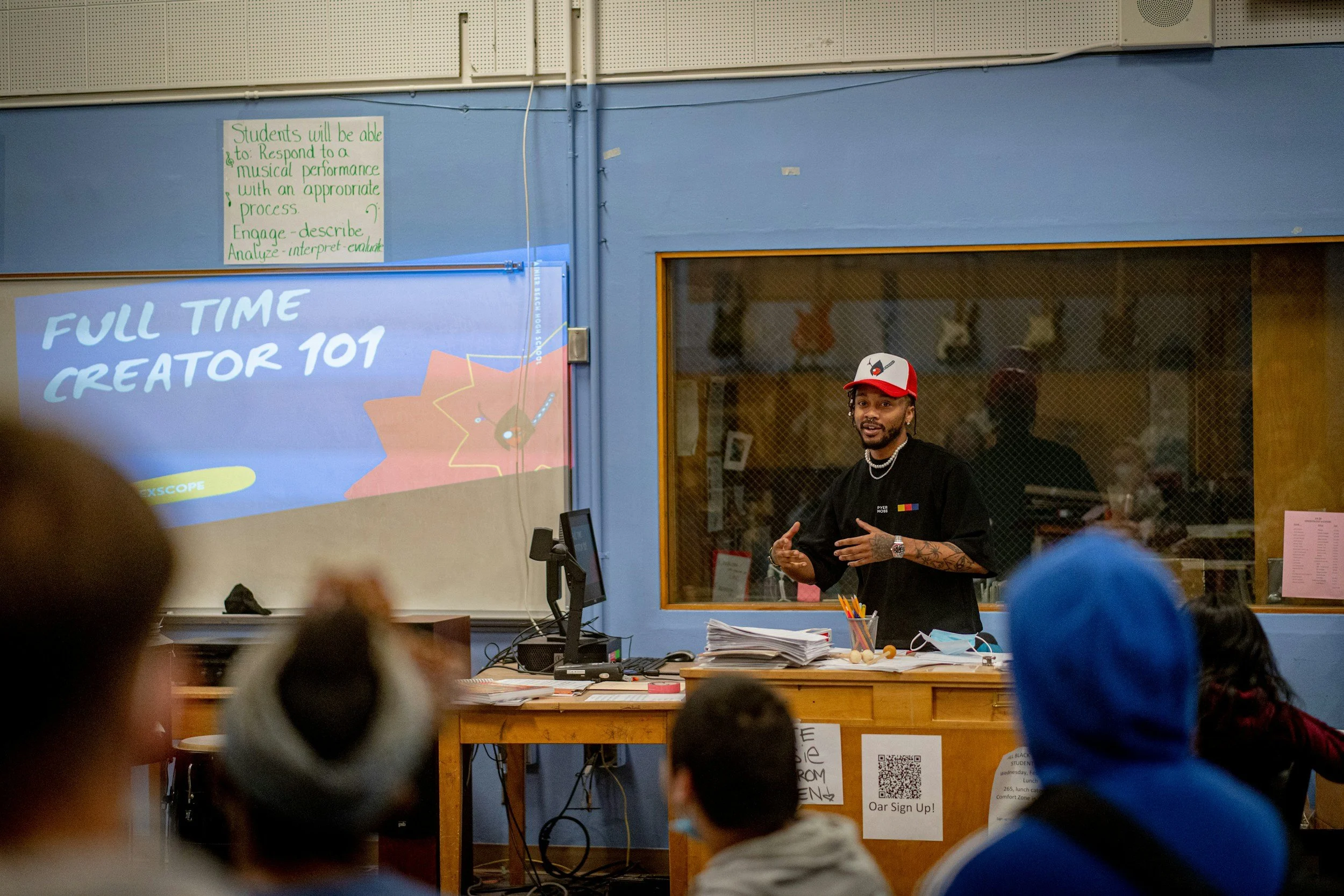
He was referring to a comment by a middle school head at an international Montessori school in Thailand, who told us that after using KiguLab for a few months:
“...now I can identify certain things [about their digital experiences] and actually have a word to describe what they are doing or what they are experiencing, which makes talking [about it] easier. With the students, especially my non-English speaking students, once they know what a word means and they understand it and can use it in context, expressing themselves becomes so much easier. And the confidence that they have in expressing themselves, there's no limit to that…we can talk about this because this is happening to a lot of people…So I'm very thankful for [KiguLab].”
I’ve continued to turn these comments over in my mind over the last few weeks as we gear up for new school partnerships. They’ve reminded me of the simplicity of what humans need to learn: not fancy softwares, not bells and whistles, not intricate gamification…just good, old, shared language that empowers us to describe our feelings and experiences in daily life.
I’ve always been a major proponent of linguistic diversity (keeping our words and lexicons rich, differentiated, nuanced), particularly when it comes to emotional vocabulary - how boring would it be if we only had words like “sad,” “happy,” “angry” to choose from - and over the break finished a book that drove this point home, hard: Yoko Ogawa’s The Memory Police.”
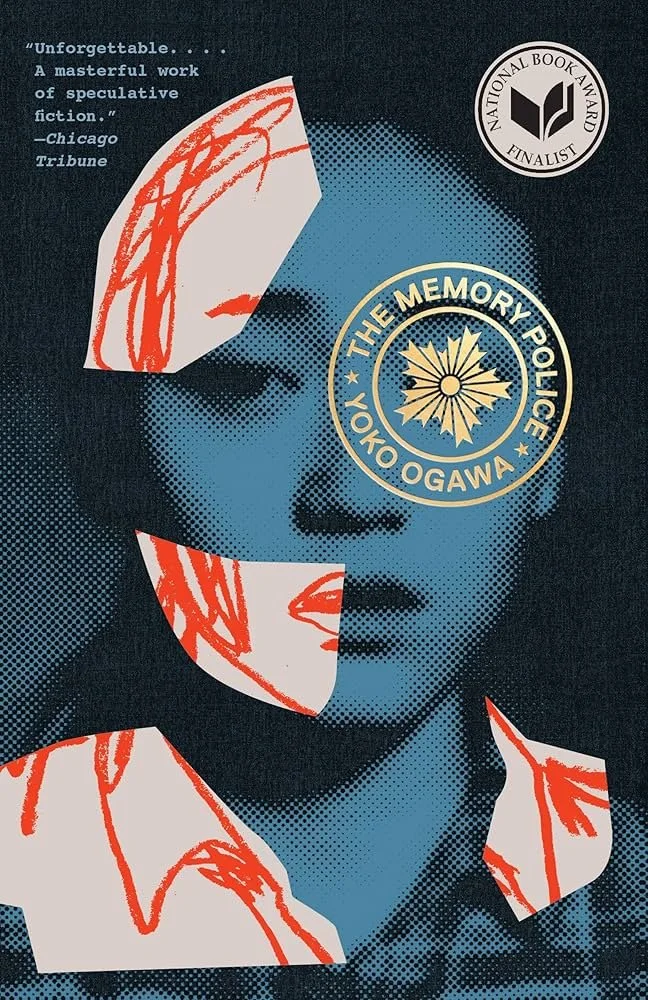
Yoko Ogawa’s “The Memory Police” (photo of my own copy)
In this dystopian Japan, the Memory Police uphold an authoritarian state in which they get to decide what words disappear (and with the words, the concepts, ideas and memories they embodied). The main character, waking up one day, describes the disappearance of “birds” (as a word and idea):
“The disappearance of the birds, as with so many other things, happened suddenly one morning. I spotted a small brown creature flying high up in the sky. It was plump, with what appeared to be a tuft of white feathers at its breast. I had just begun to wonder whether it was one of the creatures I had seen with my father [a bird specialist, when I was young] when I realised that everything I knew about them had disappeared from inside me: my memories of them, my feelings about them, the very meaning of the word “bird”….The little brown creature flew in a wide circle…I tried to hold onto the way it looked in flight or the sound of its chirping or the colors of its feathers but I knew it was useless. This bird…was nothing more than a simple creature, moving through space as a function of the vertical motion of its wings…And that was how the birds disappeared” (10-11, Ogawa)
Can you go a whole day without saying a common word, like “bird”, “coffee” or “talk”? How would your day change?
To be clear, the birds themselves don’t disappear - the Memory Police can’t chase them all, otherwise the novel would morph into a comedy, with police lunging at fowl - the only thing that disappears is the word “bird” itself, as well as associated words. But with the word “bird” goes all the ideas and memories of what birds mean, leaving the protagonist disoriented, confused, grasping at her own sensory experiences. She knows something is happening, but can’t quite put her finger on it.
While Ogawa’s novel is fiction, this aspect of vocabulary is pretty much exactly how psychologists and developmental specialists say humans actually learn. For instance, Marc Brackett, the founding director of the Yale Center for Emotional Intelligence and developer of RULER, a leading global framework for emotional intelligence, notes:
“Emotion science must rely [heavily] on verbal communication…we also have to articulate what we’re feeling, especially the subtleties that distinguish one emotion from another that’s close but not quite the same. Otherwise we’ll never reach our goal: understanding, communicating, and regulating our emotions effectively…We’ve all evolved to become emotion scientists. But we still need to learn the skills.” (80, Brackett)Want to ensure your AI-natives are empowered to thrive with vocabulary for their digital generation? Sign up for a free demo today.
References
Marc Brackett, “Permission to Feel”
Yoko Ogawa, “The Memory Police”
KiguLab interviews with teachers, 2025