
How to Do Lego® Serious Play® at Home with Kids
An easy family activity that promotes offline connection, communication and play for AI natives
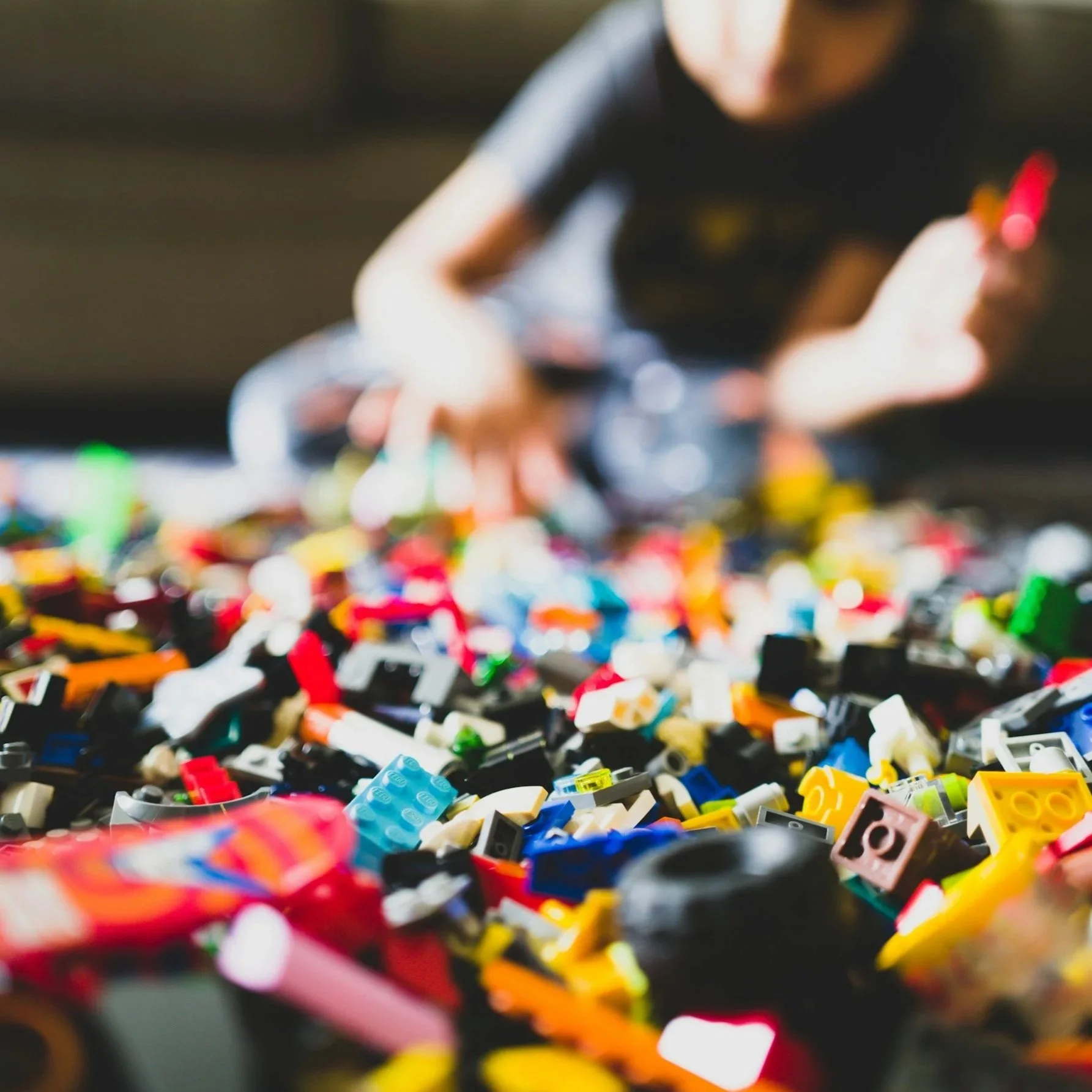
A few weeks ago my son said to me “Can you find me a Lego teacher?” I asked him why he thought he needed a teacher, and he said “So I can make Lego faster. If I can make the sets really fast, then I can do more of them!”
Made sense, in a first-grade way.
After having him talk through his ideas about why “fast” was the most important trait of doing Lego, and discussing whether things like making mistakes and being creative were potentially more important, I put him to bed and settled down to look for YouTube channels featuring creative Lego role models.
I’d heard of Lego® Serious Play® (LSP) before and thought I’d check it out. After listening through a few videos by licensed LSP practitioners, I thought I’d take a crack at distilling some core principles of LSP into a child-friendly activity any parent can do with their kids to build communication, creativity and mistake-making skills. (Note: Originally, LSP is a collaborative team-building exercise for adults that is used in businesses, organisations and professional environments. It’s not traditionally aimed at children.)

Step 1: Provide your child with a large assortment of diverse, mismatched Legos, Duplo, or other similar building blocks.
Warning: Do not use traditional boxes of Legos that come with instructions. You can probably find wholesale mismatched Legos or building blocks at your local thrift store. If not, ask older friends to give your kids their leftovers on an on-going basis.
Step 2: You or your children set a challenge for the team.
This is an open-ended challenge that each child can interpret on their own. My favorites for primary school-age kids are ones like:
“What does a bridge look like?”
“What does fun look like?”
“Build your favorite / dream playground.”
“Build how you’re feeling right now.”
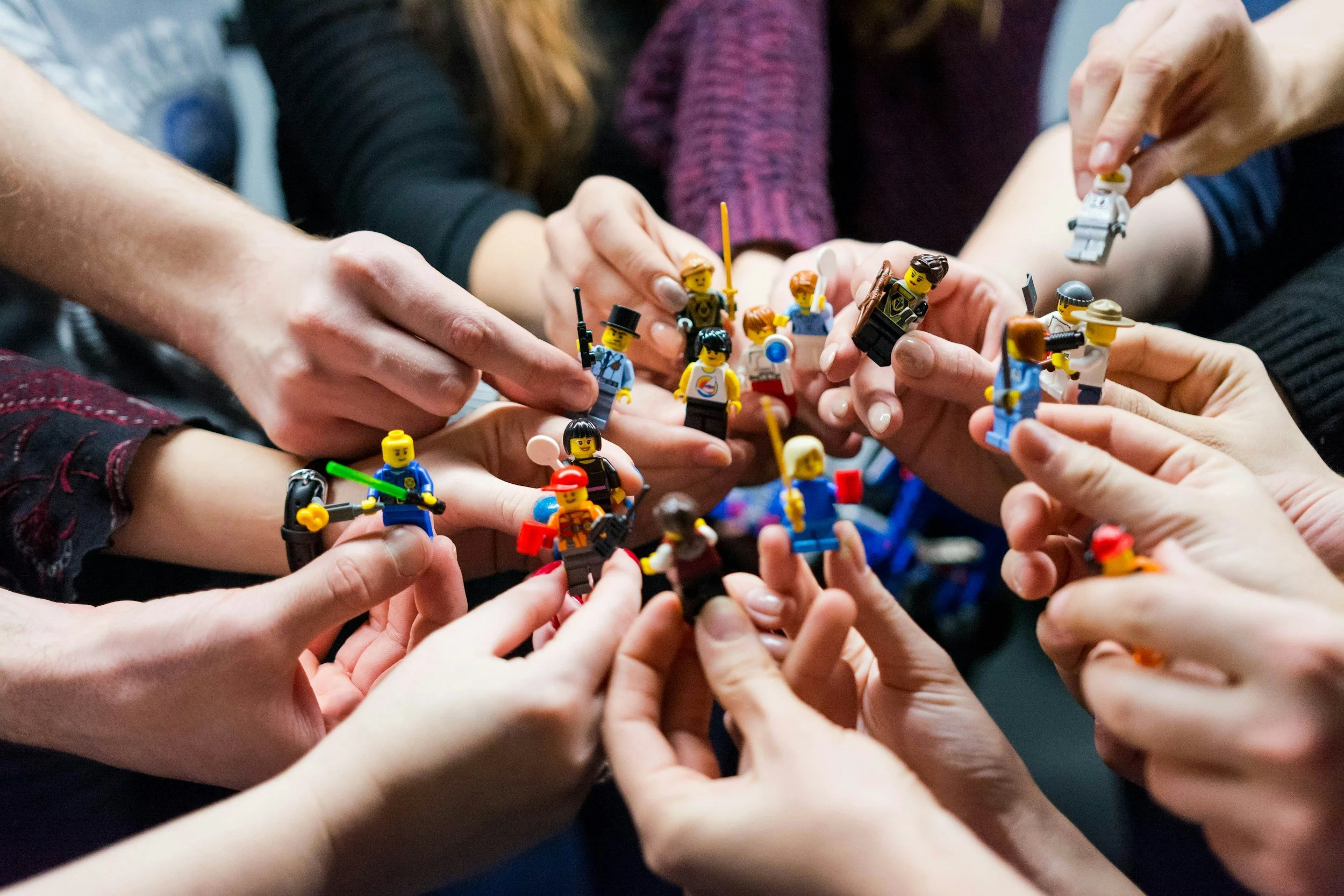
Step 3: Each person (including you) makes a structure out of the blocks.
There isn’t a wrong way to build a Lego set. Try not to comment or control the way your children are building or choosing blocks.
Step 4: Each person takes their turn telling the story of what they built.
Ask friendly questions like “Tell me more about [blank part of the model]” “That’s a super cool moving part. Can you tell me what you were thinking about when you made that?”
Try not to assume what the other person will say or put words in their mouths (like “Don’t bridges have to have [blank] and [blank]?”).
Invite the other participants to also wonder aloud: “Does anyone have any other things they’re curious about or want to know more about?”
Step 5: Affirm the effort, not the outcome.
Make sure the conversation isn’t about “Who won” or “Whose model is the tallest" / best / biggest”. Gently steer the affirmation back to effort by using phrases like:
“You know what was so special about doing this with you today? That there was no right and no wrong.”
“You did such a fantastic job coming up with your own ideas today.”
“I liked that all our models / Legos ended up being different. Isn’t that neat?”
“I loved how even when you got frustrated, you didn’t give up.”
“I learned something today from you…[say what they did that showed their effort"].”
Core AI-Readiness Skills that Lego Teaches
Creativity & Imperfection
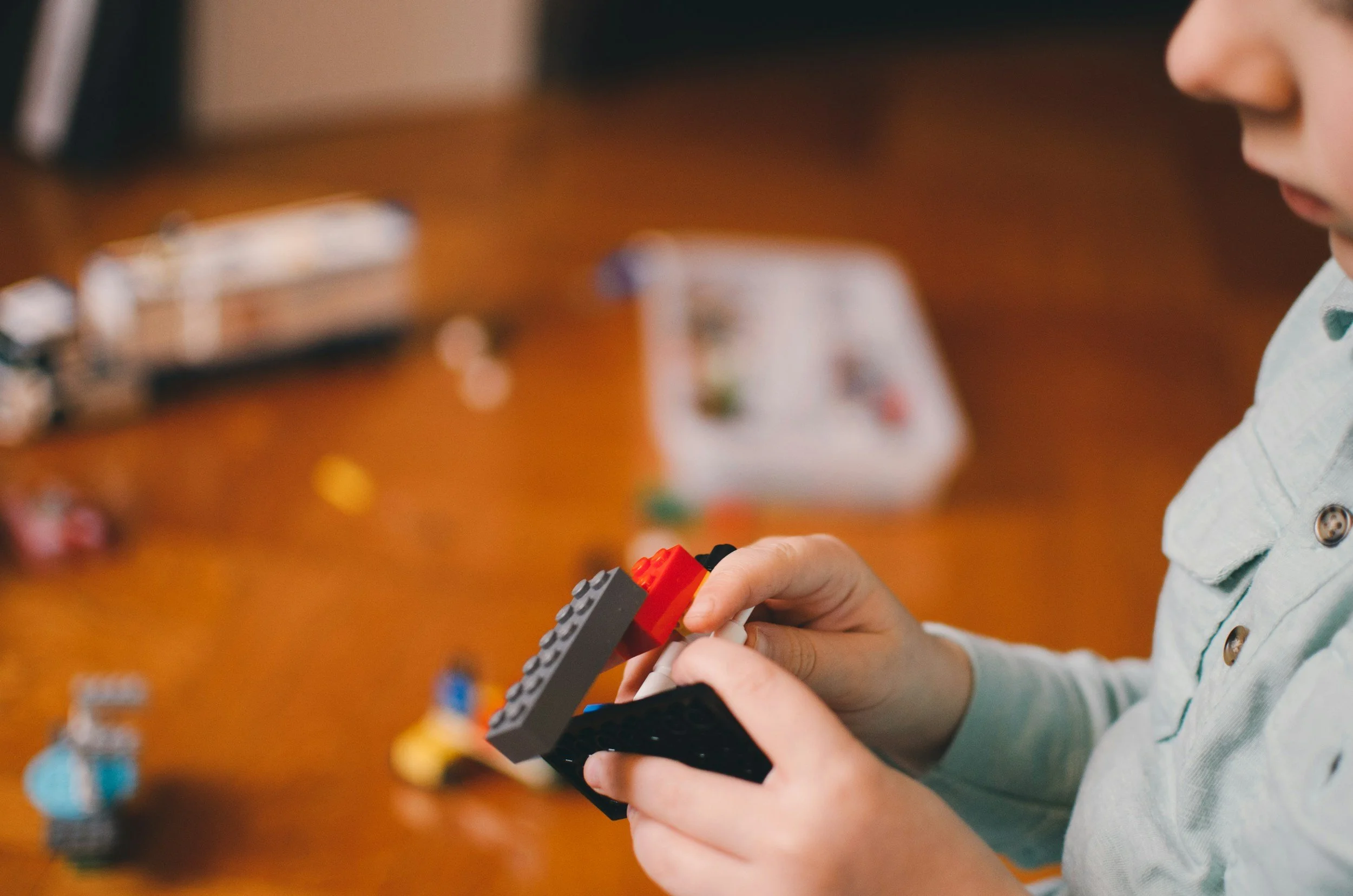
Open-ended, judgment-free play builds creativity. Encourage your child to explore. There is no instruction manual and no "right" way to build. Just start putting bricks together. Let your child create something unrecognizable without rushing to correct them or guess what it is. This creates a safe space where things arise naturally, teaching kids that their imagination is enough and that perfection isn’t the goal.
Communication
When your child shows you a model, avoid guiding questions like, "Is that a scary monster?" Instead, use open prompts like "Tell me about what you made." This forces the child to find their own words and self-expressions. As a parent, your job is to listen intently to their story rather than trying to decode or guess it for them. This activity also challenges adults to be better active listeners.
Mistake-Making
If a Lego tower falls or the model doesn't turn out right, treat it with curiosity rather than frustration. Role model for your children that perfection isn’t the main metric. You can say, "Oh, it fell! Let's look at what happened to the base," or "That part didn't work out the way you wanted. What can we try next?" This strips away the anxiety of perfectionism and teaches kids that a mistake is just step one of a rewrite.
💡If you’d like to learn more about AI-readiness skills, visit our booth (J34) at LTE 2026 in Hong Kong at the Wan Chai Convention Centre from the 25-27th June 2026.