
How Social-Emotional Learning Helps Kids Move from Survival to Success
Why Core Life Skills Can’t Be Measured on a Standard Report Card
This is an opinion piece contributed by Lucy, a Kigumi Summer Associate in Hong Kong and undergraduate pursuing her computer science degree.
Social emotional learning (SEL) is teaching kids core life skills that aren’t able to be presented in a standard report. Managing stress, understanding emotions, resolving conflicts, and being empathetic are foundational life skills that a textbook cannot teach.
In reality, a child’s emotional state and their ability to learn aren’t separable. You physically cannot effectively teach algebra to a child who doesn’t know how to regulate their anxiety. When a student walks into a classroom with their emotional state in a mess, they experience brain fog and aren’t able to absorb any information and go into lockdown.
If SEL is not intentionally implemented in schools, especially in the era of the digital world, where everything is hyper-stimulating and cyberbullying is rampant, we leave kids completely defenseless against an epidemic of chronic anxiety and isolation.
Everyday pressures will slowly begin to weigh down on the child and lead to behavioral issues. At first, it will begin within and the child might be depressed but slowly it will bleed out into the family environment and then soon enough it will disrupt the entire classroom. Children who never learn to navigate frustration and communicate effectively don’t just magically outgrow these feelings, they would just grow up into adults who can’t handle criticism and fall apart at the first sign of failure.
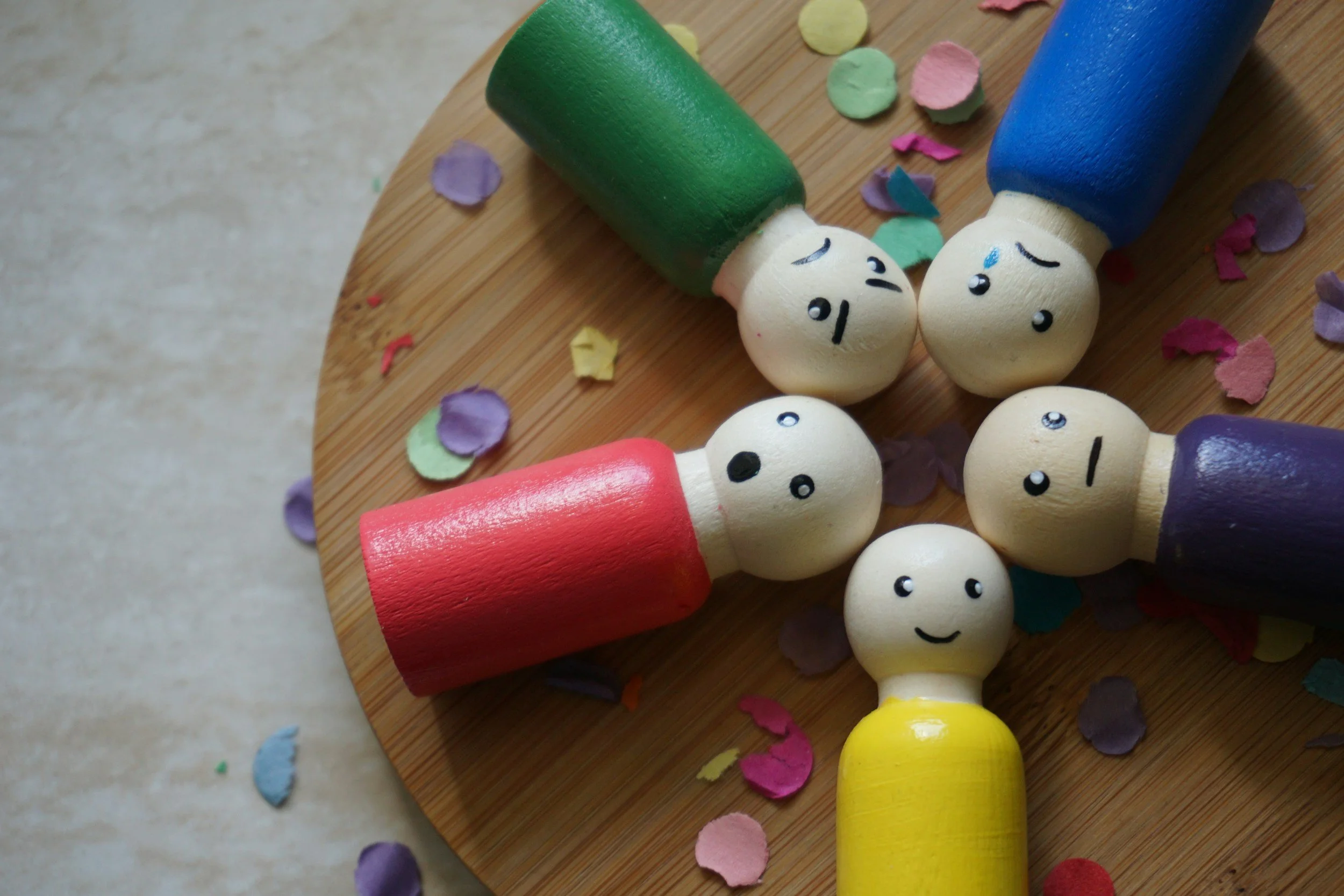
Integrating SEL into the Classroom: Moving Students from Survival to Success
In the world of AI, emotions are one of the things that can’t be automated. By ignoring emotional education, we aren’t making more time for the child to study; we are simply graduating a generation that may be academically smart but emotionally unequipped for reality.
Integrating SEL doesn’t mean adding more counselors or adding therapy sessions to replace classes. It means directly integrating habits of resilience, empathy, and self-awareness into the current curriculum. Normalizing mistakes and learning how to navigate problems are skills that can be taught in any class.
When emotional regulation is treated as a teachable skill instead of innate trait, students will finally be able to get out of survival mode and into a state where they can actually learn and feel validated.